
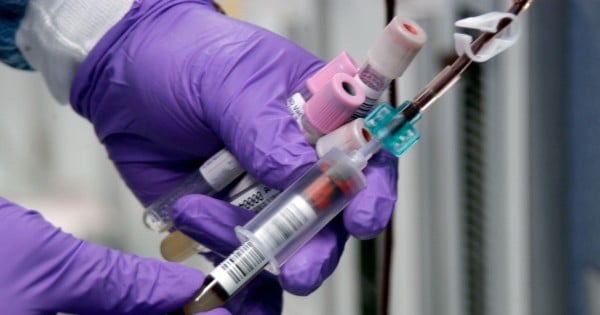
Blood and urine tests are used all the time in preventative health care. They help doctors to catch heart, kidney and liver problems, and chronic diseases like diabetes. They are also the main way that we screen for STIs.
So this funding cut could spell the end of free sexual health check-ups, which sounds risky.
The Thinkergirls #RealLYF Series – Getting a Pap Smear…It will be up to the companies that provide these services to decide whether to recoup their lost rebates directly from patients, enabling the politicians who removed the subsidies to wipe their hands of the impost.
“Not our fault the company passed on the cost,” they will probably say. “We didn’t force them to.”
But the reality is that these tests cost money, and the government is now providing less ($650 million less over four years to be exact) to cover the cost of doing the tests.
It seems pretty much certain that the for-profit companies that provide these services are going to be asking you to cover their losses.
The money has to come from somewhere.
This was confirmed by one major provider, Sonic Healthcare.
“The vast majority of patients do not have to pay any out-of-pockets for their pathology and radiology, so we really believe this is a co-payment by stealth because the only way we can cope with cuts of this magnitude is by introducing a co-payment,” chief executive Colin Goldschmidt told the Sydney Morning Herald.
“It creates a financial barrier to receiving medical services and it discriminates against those who can’t afford services. It creates an incentive for patients to miss important tests or scans that can lead to a misdiagnosis or a delayed diagnosis.”
If you’re pregnant there will be plenty more of these types of procedures.
These services are the basics of medical diagnosis. Doctors rely on these tests and images to diagnose and treat you. They catch the things you cannot see.
Pathology Australia chief executive Liesel Wett told the AFR that about 70 per cent of medical decisions and 100 per cent of cancer diagnoses rely on pathology tests.
100 per cent.


